
ASTM Standards Used in Civil Engineering Construction Projects
International construction projects follow different engineering standards depending on project location, consultant requirements and client specifications. Engineers working in global construction markets should understand the differences between international codes, testing procedures, quality standards and practical site requirements. Knowledge of ACI, ASTM, Eurocode, BS standards, OSHA, NFPA and IS codes improves technical capability and career opportunities for civil engineers, QA QC engineers and project management professionals.

Importance of International Engineering Standards
Engineering standards define minimum technical requirements for safe construction, structural stability, material quality, testing procedures and workmanship. These standards are used to maintain consistency and safety across engineering projects worldwide. Contractors, consultants and clients use approved standards to evaluate construction quality and technical compliance during execution.
Modern infrastructure projects involve complex coordination between civil engineering, structural engineering, architecture, MEP systems and safety management. Engineers should therefore understand design codes, load calculations, quality inspection procedures and construction methodology according to international engineering practices.
Construction Quality Control
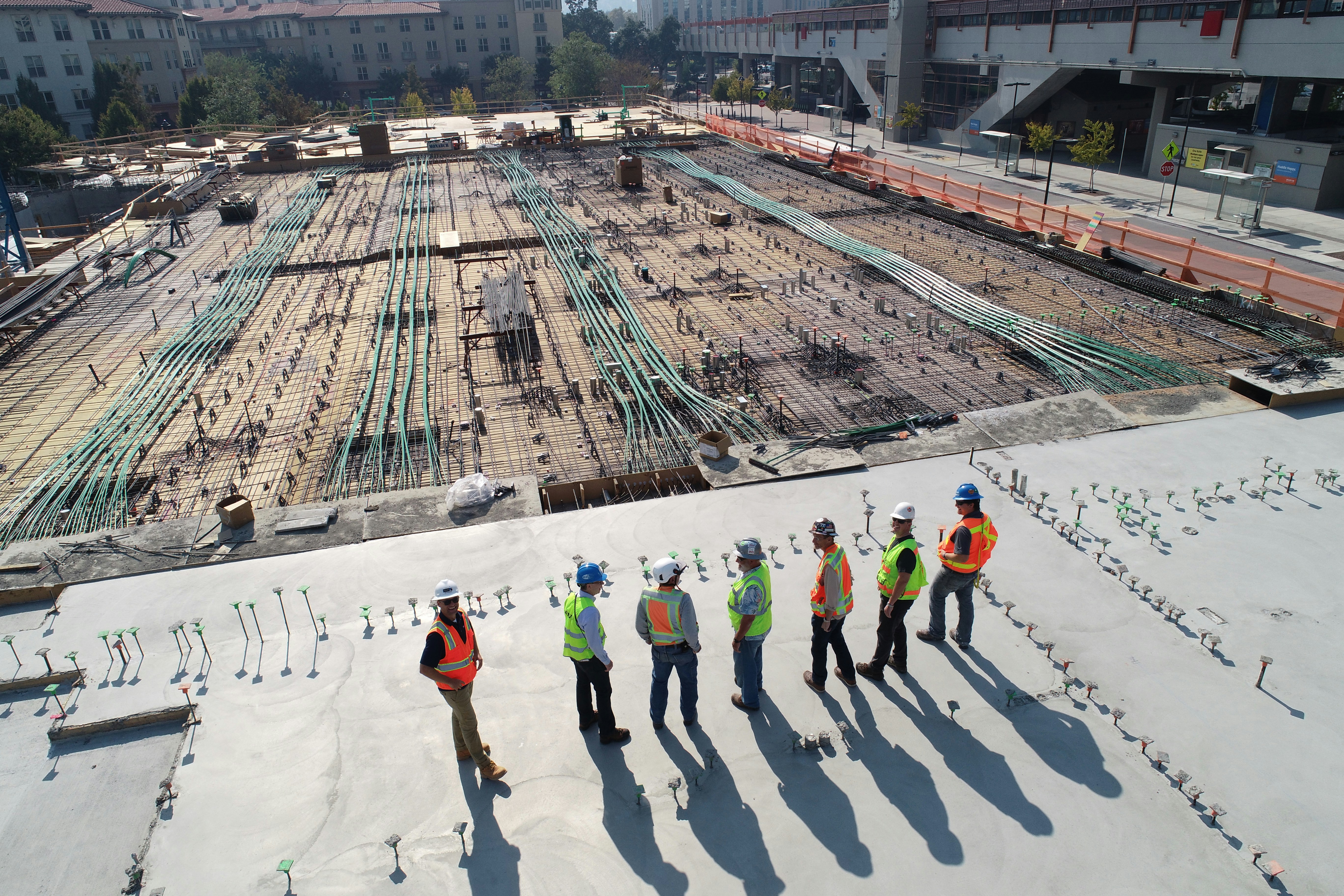
Quality control is critical in modern construction projects. QA QC engineers perform inspections for reinforcement installation, concrete quality, material approvals, welding quality, dimensional tolerance and finishing work. Construction defects such as cracks, honeycombing, leakage and structural misalignment may occur if quality procedures are ignored.
International projects commonly use ASTM testing standards for cement, aggregates, reinforcement steel and concrete cube testing. ACI standards are used for reinforced concrete design and execution. Eurocode standards are popular in European countries while BS standards are still used in many Middle East projects.

Site Safety and Engineering Procedures
Construction safety procedures are extremely important during excavation, concreting, steel erection and equipment operations. OSHA and NFPA standards define safety procedures for construction projects, electrical systems and fire protection. Engineers should conduct toolbox talks, risk assessments and permit-to-work systems before starting critical activities.
Workers should wear personal protective equipment including safety helmets, gloves, reflective jackets, safety shoes and harnesses where required. Barricading, warning signage and emergency evacuation plans are also essential for safe project execution.

International Code References
- ACI 318 – Structural Concrete Code
- ASTM Standards – Material Testing
- Eurocode 2 – RCC Design
- BS 8110 – Structural Use of Concrete
- IS 456 – Plain and Reinforced Concrete
- NFPA – Fire Protection Standards
- OSHA – Construction Safety Requirements
- ASCE Standards – Structural and Infrastructure Design
Understanding international standards improves technical knowledge, documentation quality and project compliance. Engineers who understand code references and practical construction procedures are highly valued in international construction companies.
Construction projects require detailed planning, engineering calculations, method statements, inspection procedures and quality documentation. Practical site experience combined with strong technical knowledge helps engineers manage complex construction activities successfully.

Global engineering companies expect professionals to understand project specifications, quality requirements, safety procedures and construction methodologies according to international standards. Engineers should continuously improve practical knowledge and stay updated with the latest engineering technologies and standards.
International construction projects follow different engineering standards depending on project location, consultant requirements and client specifications. Engineers working in global construction markets should understand the differences between international codes, testing procedures, quality standards and practical site requirements. Knowledge of ACI, ASTM, Eurocode, BS standards, OSHA, NFPA and IS codes improves technical capability and career opportunities for civil engineers, QA QC engineers and project management professionals.
Importance of International Engineering Standards
Engineering standards define minimum technical requirements for safe construction, structural stability, material quality, testing procedures and workmanship. These standards are used to maintain consistency and safety across engineering projects worldwide. Contractors, consultants and clients use approved standards to evaluate construction quality and technical compliance during execution.
Modern infrastructure projects involve complex coordination between civil engineering, structural engineering, architecture, MEP systems and safety management. Engineers should therefore understand design codes, load calculations, quality inspection procedures and construction methodology according to international engineering practices.
Construction Quality Control
Quality control is critical in modern construction projects. QA QC engineers perform inspections for reinforcement installation, concrete quality, material approvals, welding quality, dimensional tolerance and finishing work. Construction defects such as cracks, honeycombing, leakage and structural misalignment may occur if quality procedures are ignored.
International projects commonly use ASTM testing standards for cement, aggregates, reinforcement steel and concrete cube testing. ACI standards are used for reinforced concrete design and execution. Eurocode standards are popular in European countries while BS standards are still used in many Middle East projects.
Site Safety and Engineering Procedures
Construction safety procedures are extremely important during excavation, concreting, steel erection and equipment operations. OSHA and NFPA standards define safety procedures for construction projects, electrical systems and fire protection. Engineers should conduct toolbox talks, risk assessments and permit-to-work systems before starting critical activities.
Workers should wear personal protective equipment including safety helmets, gloves, reflective jackets, safety shoes and harnesses where required. Barricading, warning signage and emergency evacuation plans are also essential for safe project execution.
International Code References
- ACI 318 – Structural Concrete Code
- ASTM Standards – Material Testing
- Eurocode 2 – RCC Design
- BS 8110 – Structural Use of Concrete
- IS 456 – Plain and Reinforced Concrete
- NFPA – Fire Protection Standards
- OSHA – Construction Safety Requirements
- ASCE Standards – Structural and Infrastructure Design
Understanding international standards improves technical knowledge, documentation quality and project compliance. Engineers who understand code references and practical construction procedures are highly valued in international construction companies.
Construction projects require detailed planning, engineering calculations, method statements, inspection procedures and quality documentation. Practical site experience combined with strong technical knowledge helps engineers manage complex construction activities successfully.
Global engineering companies expect professionals to understand project specifications, quality requirements, safety procedures and construction methodologies according to international standards. Engineers should continuously improve practical knowledge and stay updated with the latest engineering technologies and standards.
International construction projects follow different engineering standards depending on project location, consultant requirements and client specifications. Engineers working in global construction markets should understand the differences between international codes, testing procedures, quality standards and practical site requirements. Knowledge of ACI, ASTM, Eurocode, BS standards, OSHA, NFPA and IS codes improves technical capability and career opportunities for civil engineers, QA QC engineers and project management professionals.
Importance of International Engineering Standards
Engineering standards define minimum technical requirements for safe construction, structural stability, material quality, testing procedures and workmanship. These standards are used to maintain consistency and safety across engineering projects worldwide. Contractors, consultants and clients use approved standards to evaluate construction quality and technical compliance during execution.
Modern infrastructure projects involve complex coordination between civil engineering, structural engineering, architecture, MEP systems and safety management. Engineers should therefore understand design codes, load calculations, quality inspection procedures and construction methodology according to international engineering practices.
Construction Quality Control
Quality control is critical in modern construction projects. QA QC engineers perform inspections for reinforcement installation, concrete quality, material approvals, welding quality, dimensional tolerance and finishing work. Construction defects such as cracks, honeycombing, leakage and structural misalignment may occur if quality procedures are ignored.
International projects commonly use ASTM testing standards for cement, aggregates, reinforcement steel and concrete cube testing. ACI standards are used for reinforced concrete design and execution. Eurocode standards are popular in European countries while BS standards are still used in many Middle East projects.
Site Safety and Engineering Procedures
Construction safety procedures are extremely important during excavation, concreting, steel erection and equipment operations. OSHA and NFPA standards define safety procedures for construction projects, electrical systems and fire protection. Engineers should conduct toolbox talks, risk assessments and permit-to-work systems before starting critical activities.
Workers should wear personal protective equipment including safety helmets, gloves, reflective jackets, safety shoes and harnesses where required. Barricading, warning signage and emergency evacuation plans are also essential for safe project execution.
International Code References
- ACI 318 – Structural Concrete Code
- ASTM Standards – Material Testing
- Eurocode 2 – RCC Design
- BS 8110 – Structural Use of Concrete
- IS 456 – Plain and Reinforced Concrete
- NFPA – Fire Protection Standards
- OSHA – Construction Safety Requirements
- ASCE Standards – Structural and Infrastructure Design
Understanding international standards improves technical knowledge, documentation quality and project compliance. Engineers who understand code references and practical construction procedures are highly valued in international construction companies.
Construction projects require detailed planning, engineering calculations, method statements, inspection procedures and quality documentation. Practical site experience combined with strong technical knowledge helps engineers manage complex construction activities successfully.
Global engineering companies expect professionals to understand project specifications, quality requirements, safety procedures and construction methodologies according to international standards. Engineers should continuously improve practical knowledge and stay updated with the latest engineering technologies and standards.
International construction projects follow different engineering standards depending on project location, consultant requirements and client specifications. Engineers working in global construction markets should understand the differences between international codes, testing procedures, quality standards and practical site requirements. Knowledge of ACI, ASTM, Eurocode, BS standards, OSHA, NFPA and IS codes improves technical capability and career opportunities for civil engineers, QA QC engineers and project management professionals.
Importance of International Engineering Standards
Engineering standards define minimum technical requirements for safe construction, structural stability, material quality, testing procedures and workmanship. These standards are used to maintain consistency and safety across engineering projects worldwide. Contractors, consultants and clients use approved standards to evaluate construction quality and technical compliance during execution.
Modern infrastructure projects involve complex coordination between civil engineering, structural engineering, architecture, MEP systems and safety management. Engineers should therefore understand design codes, load calculations, quality inspection procedures and construction methodology according to international engineering practices.
Construction Quality Control
Quality control is critical in modern construction projects. QA QC engineers perform inspections for reinforcement installation, concrete quality, material approvals, welding quality, dimensional tolerance and finishing work. Construction defects such as cracks, honeycombing, leakage and structural misalignment may occur if quality procedures are ignored.
International projects commonly use ASTM testing standards for cement, aggregates, reinforcement steel and concrete cube testing. ACI standards are used for reinforced concrete design and execution. Eurocode standards are popular in European countries while BS standards are still used in many Middle East projects.
Site Safety and Engineering Procedures
Construction safety procedures are extremely important during excavation, concreting, steel erection and equipment operations. OSHA and NFPA standards define safety procedures for construction projects, electrical systems and fire protection. Engineers should conduct toolbox talks, risk assessments and permit-to-work systems before starting critical activities.
Workers should wear personal protective equipment including safety helmets, gloves, reflective jackets, safety shoes and harnesses where required. Barricading, warning signage and emergency evacuation plans are also essential for safe project execution.
International Code References
- ACI 318 – Structural Concrete Code
- ASTM Standards – Material Testing
- Eurocode 2 – RCC Design
- BS 8110 – Structural Use of Concrete
- IS 456 – Plain and Reinforced Concrete
- NFPA – Fire Protection Standards
- OSHA – Construction Safety Requirements
- ASCE Standards – Structural and Infrastructure Design
Understanding international standards improves technical knowledge, documentation quality and project compliance. Engineers who understand code references and practical construction procedures are highly valued in international construction companies.
Construction projects require detailed planning, engineering calculations, method statements, inspection procedures and quality documentation. Practical site experience combined with strong technical knowledge helps engineers manage complex construction activities successfully.
Global engineering companies expect professionals to understand project specifications, quality requirements, safety procedures and construction methodologies according to international standards. Engineers should continuously improve practical knowledge and stay updated with the latest engineering technologies and standards.
International construction projects follow different engineering standards depending on project location, consultant requirements and client specifications. Engineers working in global construction markets should understand the differences between international codes, testing procedures, quality standards and practical site requirements. Knowledge of ACI, ASTM, Eurocode, BS standards, OSHA, NFPA and IS codes improves technical capability and career opportunities for civil engineers, QA QC engineers and project management professionals.
Importance of International Engineering Standards
Engineering standards define minimum technical requirements for safe construction, structural stability, material quality, testing procedures and workmanship. These standards are used to maintain consistency and safety across engineering projects worldwide. Contractors, consultants and clients use approved standards to evaluate construction quality and technical compliance during execution.
Modern infrastructure projects involve complex coordination between civil engineering, structural engineering, architecture, MEP systems and safety management. Engineers should therefore understand design codes, load calculations, quality inspection procedures and construction methodology according to international engineering practices.
Construction Quality Control
Quality control is critical in modern construction projects. QA QC engineers perform inspections for reinforcement installation, concrete quality, material approvals, welding quality, dimensional tolerance and finishing work. Construction defects such as cracks, honeycombing, leakage and structural misalignment may occur if quality procedures are ignored.
International projects commonly use ASTM testing standards for cement, aggregates, reinforcement steel and concrete cube testing. ACI standards are used for reinforced concrete design and execution. Eurocode standards are popular in European countries while BS standards are still used in many Middle East projects.
Site Safety and Engineering Procedures
Construction safety procedures are extremely important during excavation, concreting, steel erection and equipment operations. OSHA and NFPA standards define safety procedures for construction projects, electrical systems and fire protection. Engineers should conduct toolbox talks, risk assessments and permit-to-work systems before starting critical activities.
Workers should wear personal protective equipment including safety helmets, gloves, reflective jackets, safety shoes and harnesses where required. Barricading, warning signage and emergency evacuation plans are also essential for safe project execution.
International Code References
- ACI 318 – Structural Concrete Code
- ASTM Standards – Material Testing
- Eurocode 2 – RCC Design
- BS 8110 – Structural Use of Concrete
- IS 456 – Plain and Reinforced Concrete
- NFPA – Fire Protection Standards
- OSHA – Construction Safety Requirements
- ASCE Standards – Structural and Infrastructure Design
Understanding international standards improves technical knowledge, documentation quality and project compliance. Engineers who understand code references and practical construction procedures are highly valued in international construction companies.
Construction projects require detailed planning, engineering calculations, method statements, inspection procedures and quality documentation. Practical site experience combined with strong technical knowledge helps engineers manage complex construction activities successfully.
Global engineering companies expect professionals to understand project specifications, quality requirements, safety procedures and construction methodologies according to international standards. Engineers should continuously improve practical knowledge and stay updated with the latest engineering technologies and standards.
Conclusion
ASTM Standards Used in Civil Engineering Construction Projects is an important topic for civil engineers, QA QC professionals, consultants and project managers working on international engineering projects. Understanding code requirements, construction quality procedures and safety standards helps improve project execution quality and professional growth opportunities.