
Method Statement for Data Center Raised Floor Construction

Technical Scope
Raised floor systems in data centers are installed to support server racks, cooling systems and cable management infrastructure. International data centers commonly follow TIA-942, NFPA and ASHRAE recommendations.
International contractors typically integrate QA QC inspection checkpoints, HSE monitoring and digital reporting systems into execution activities. Site engineers should coordinate with consultants and client representatives before proceeding to the next activity stage.
Material Requirements
Raised floor panels should meet concentrated load requirements ranging from 8 kN to 12 kN depending on rack loading. Galvanized pedestals, stringers and anti-static vinyl finishes should comply with approved specifications.
International contractors typically integrate QA QC inspection checkpoints, HSE monitoring and digital reporting systems into execution activities. Site engineers should coordinate with consultants and client representatives before proceeding to the next activity stage.
Execution Procedure
Laser levels should be used to maintain floor flatness tolerance within project requirements. Pedestal spacing should follow manufacturer shop drawings. Adhesive curing time should be respected before panel placement.
International contractors typically integrate QA QC inspection checkpoints, HSE monitoring and digital reporting systems into execution activities. Site engineers should coordinate with consultants and client representatives before proceeding to the next activity stage.
Environmental Controls
Humidity control is important during installation because excessive moisture can affect floor adhesives and anti-static finishes. Many projects maintain indoor humidity between 45 percent and 55 percent.
International contractors typically integrate QA QC inspection checkpoints, HSE monitoring and digital reporting systems into execution activities. Site engineers should coordinate with consultants and client representatives before proceeding to the next activity stage.
QA QC Procedures
Engineers should verify panel alignment, level tolerance, grounding continuity and airflow openings before handover.
International contractors typically integrate QA QC inspection checkpoints, HSE monitoring and digital reporting systems into execution activities. Site engineers should coordinate with consultants and client representatives before proceeding to the next activity stage.
International QA QC Practices
Modern projects in Europe, Middle East and North America commonly use Inspection and Test Plans (ITP), Request for Inspection (RFI) workflows and digital snagging systems for quality management. Documentation should include calibration certificates, approved material submittals and daily progress reports.
Safety Compliance
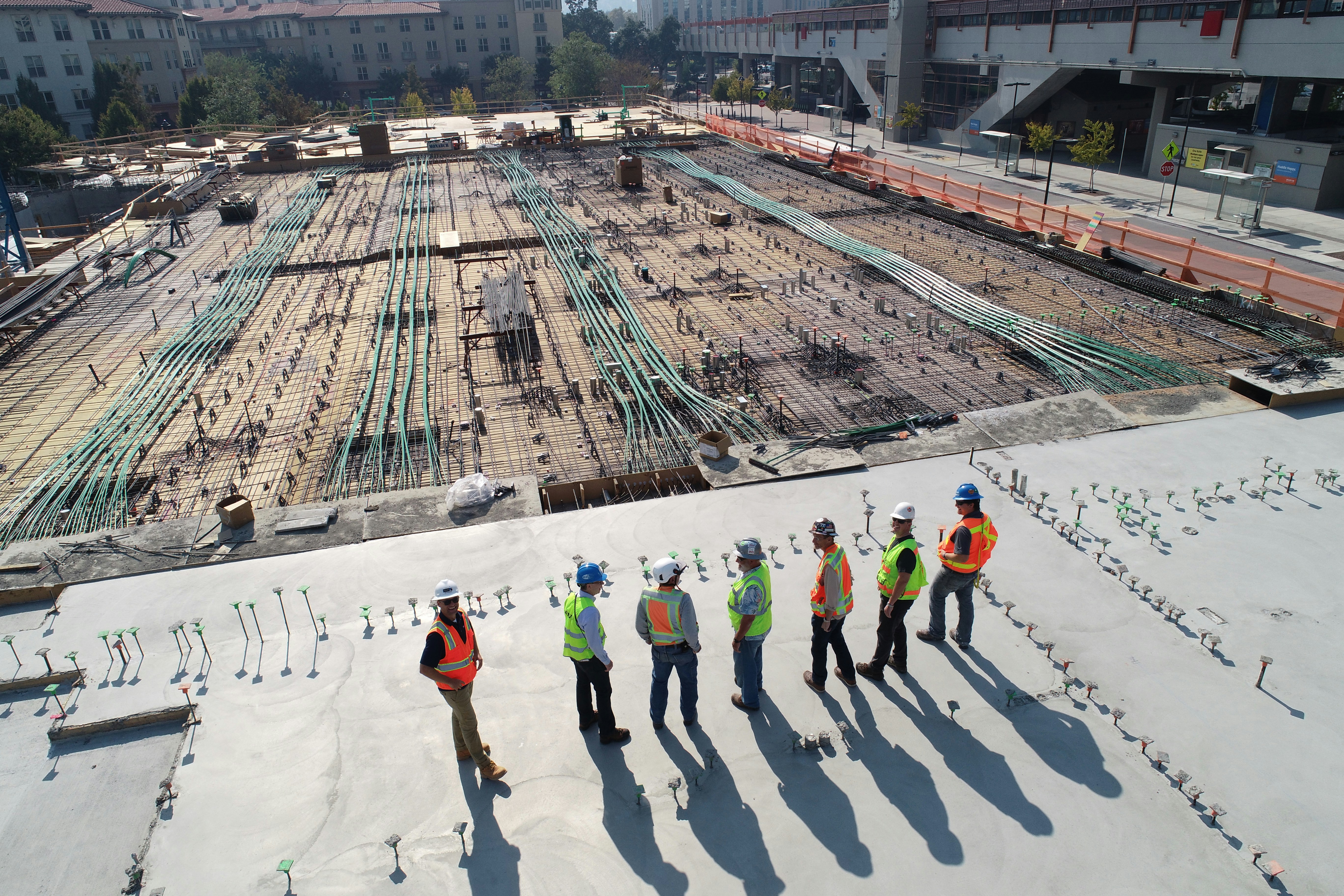
Construction activities should comply with OSHA, NFPA and project-specific HSE requirements. Toolbox talks, lifting permits and risk assessments are mandatory before high-risk operations.
Conclusion
Detailed methodology planning and compliance with international engineering standards significantly improve construction quality, project safety and operational reliability.